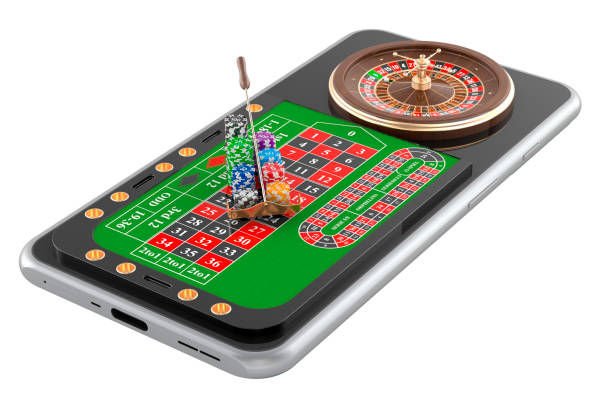
Your Ultimate Guide to Fun and Easy Casino Games

Ever wondered why a simple spin of the reels or a flip of the card can feel so electric? Casino games are pure, distilled entertainment—a blend of chance, strategy, and instant feedback that turns a quiet evening into a thrill ride. You pick your game, place a wager, and the outcome comes down to a mix of luck and your own decisions, with every win giving you a dopamine hit and every loss teaching you something new. The real benefit is the flexibility: you can play for pennies or high stakes, and it’s all about the excitement of the unknown in a format you control.
What Makes Modern Casino Games So Addictively Fun?
Modern casino games feel like a living story where you are the protagonist, and that narrative pull is what makes them so hard to put down. The addictively fun core comes from a carefully tuned loop of near-misses and instant rewards that mimic the cliffhangers of a great novel. You spin a reel, and the symbols almost align, whispering a tale of what could have been, urging you to turn the page. This is paired with dynamic bonus rounds that unfold like plot twists, where every choice you make alters the narrative of your potential fortune. The sensory feedback—the cascade of lights, the rhythmic soundtrack—punctuates every beat of the story, creating a world where anticipation and release are perfectly paced. It’s this seamless blend of uncertainty and quick, thematic feedback that creates a compelling gameplay experience, making each session a personalized saga you want to see through to the end.
The Core Mechanics Behind Every Slot, Table, and Live Dealer Title
Every slot spins on a Random Number Generator that cycles millions of seed values per second, ensuring each outcome is independent—your previous loss has zero influence on the next spin’s payline. Table games, in contrast, run on deterministic house-edge math: the dealer’s fixed draw rules and the payout ratios (like 3:2 on blackjack) are what shape your long-term return. Live dealer titles fuse both: a physical RNG for card shuffles or a wheel’s physical bias, yet the betting grid’s probabilities are hard-coded into the software interface. The shared core is volatility—the frequency and size of payouts—which dictates whether you feel steady trickles or rare jackpots. That variance, not luck, is the engine you actually feel.
The core mechanics—RNG independence, fixed house-edge rules, and payout volatility—define every spin, hand, and live round.
How RNGs and Return-to-Player Percentages Shape Your Odds
Every spin or card draw you see is governed by a random number generator (RNG), a complex algorithm that ensures each outcome is independent and unpredictable, meaning past results never influence future ones. This is where your odds begin: the RNG dictates the frequency of winning combinations, not your skill or timing. The casino then programs the RNG to align with a specific Return-to-Player (RTP) percentage, which is the theoretical long-term payout ratio. A 96% RTP means you statistically get $96 back for every $100 wagered over millions of rounds, making the house edge a fixed 4%. These two forces combine to produce short-term volatility—you might win big or lose fast—but over time, the RTP percentage mathematically guarantees the casino’s profitability while keeping individual outcomes feeling random.
In short, RNGs create unpredictable individual spins, while RTP percentages set the long-term statistical average, collectively ensuring your odds are always skewed in the casino’s favor.
Why Themes, Soundtracks, and Bonus Rounds Keep You Engaged
Themes transform abstract odds into relatable narratives, making each spin feel like a chapter in a story you want to continue. Soundtracks act as emotional anchors, with rising tempo during near-misses and celebratory chimes on wins, which conditions your brain to anticipate the next reward. Bonus rounds break the monotony of base gameplay by offering interactive, goal-oriented tasks that provide a sense of control and achievement. This layered combination creates what game designers call engagement loops—where the visual, auditory, and interactive rewards overlap to reduce perceived time and increase replay desire. The unpredictability of when a bonus will trigger, paired with a familiar melody, keeps your attention locked on the next possible payoff.
How to Pick the Right Game for Your Playing Style
To pick the right casino game, first audit your tolerance for variance. If you prefer long sessions with low bankroll swings, choose blackjack or baccarat, where skill and steady probabilities minimize sharp losses. If you crave adrenaline and accept rapid depletion, high-volatility slots or craps offer massive payouts but demand a thicker bankroll. Match the game’s pace to your patience: roulette suits contemplative players, while fast side-bet poker variants reward quick decisions. Test free demo modes to see if frustration or boredom dominates. Ask yourself: do you play to extend playtime or to chase one big hit? That answer decides your table limit and bet sizing. Q&A: “How do I know if I’m a strategist or a thrill-seeker?” – If you study basic strategy charts and resent losing streaks, you’re a strategist; play low-edge games like video poker. If you accept losses for a shot at a jackpot, choose progressive slots. Adjust your choice after every losing session by asking whether you enjoyed the process, not just the outcome.
Low Volatility vs. High Volatility: Which Payout Rhythm Suits You?
Low volatility games serve up frequent, modest wins—ideal if you crave steady bankroll growth and longer play sessions without dramatic swings. High volatility titles, by contrast, deliver rare but substantial payouts, perfect for thrill-seekers who can weather dry spells for a shot at life-changing hits. Your choice hinges on emotional tolerance: do you prefer the reassuring drip of regular rewards or the adrenaline of chasing high-risk, high-reward payout spikes? For casual entertainment, low volatility keeps frustration low; for serious bankroll challenges, high volatility amplifies every spin’s stakes. Payout rhythm is essentially your personal risk fingerprint.
| Aspect | Low Volatility | High Volatility |
|---|---|---|
| Win Frequency | High (every few rounds) | Low (sometimes 50+ spins) |
| Win Size | Small to medium | Large to massive |
| Session Length | Extended with stable bankroll | Short bursts, fast ups/downs |
| Best For | Casual players, low stakes | Risk-takers, big targets |

Comparing Classic Table Games, Video Slots, and Progressive Jackpots
When comparing classic table games, video slots, and progressive jackpots, your choice boils down to control versus spectacle. Table games like blackjack or roulette reward skill and patience, letting you influence outcomes through strategy, while video slots offer fast, visual fun with fixed paylines and bonus rounds that need zero prior knowledge. Progressive jackpots, however, are the wildcards: they pool bets across networks, turning small wagers into life-changing sums, but they typically demand max bets to qualify and have slimmer base-game odds. *If you crave steady engagement, table games stretch your bankroll, but if you’re chasing one massive score, progressives are the thrill—yet slot players should treat them as lottery tickets, not income streams.* Match your tolerance for risk and time to these three core styles.
Smart Bankroll Strategies to Extend Your Playtime
To stretch your casino session, divide your total bankroll into smaller session units, never betting more than 1–2% of your stack per spin or hand. This forces discipline: a $500 bankroll with $10 units gives you 50 losing rounds before busting, whereas flat betting $50 risks early exit. Prioritize games with lower house edges and slower payout cycles—blackjack or baccarat over fast slots—since each decision consumes less of your reserve. Set a hard loss limit (e.g., stop at −30%) and a win goal (e.g., +50%) to lock in profits and avoid giving back gains. **A simple rule: if your session unit drops below 20% of its starting value, walk away—your playtime is preserved for another day.** Q: What’s the fastest way to extend playtime? A: Reduce bet size proportionally to your current stack, not your original amount, so losses shrink your exposure automatically. By cascading bet sizes and enforcing time-based breaks, you convert a single short burst into multiple sustainable sessions.
Setting Loss Limits and Win Goals Before You Spin
Before you even click spin, decide on your hard stop numbers—this is non-negotiable. Set a loss limit that won’t sting tomorrow, like 20% of your session bankroll, and a win goal that feels satisfying, maybe double that. The trick is to treat both as absolute rules: once you hit either, walk away and celebrate or regroup. This turns play into a timed, controlled session instead of a chaotic chase. Pre-set loss limits protect your bankroll from tilt, while win goals lock in profit before the house edge catches up. Q: What if I hit my win goal in five minutes? A: Perfect—cash out and enjoy the win. Don’t raise the goal mid-spin; that’s how you give it all back.
The 1%–5% Rule: Staking Sizes That Keep You in the Game
The 1%–5% Rule dictates that each wager should represent only a small fraction of your total bankroll, typically between one and five percent. By staking 1% on high-volatility games or during losing streaks, you mitigate rapid drawdowns, while 5% suits low-variance bets or when you have a proven edge. This approach directly converts a finite bankroll into a predictable number of betting units, safeguarding your session length. To apply the rule effectively:
- Calculate your total bankroll before playing.
- Divide it into 100 units to find your 1% baseline.
- Set a fixed percentage (e.g., 3%) and never exceed it, regardless of outcomes.
This disciplined sizing ensures even a prolonged losing run cannot wipe you out, making staking sizes that keep you in the game your primary defense against variance.
Using Free Play and Demo Modes to Practice Without Risk
Free play and demo modes function as a zero-cost simulation layer, allowing you to test game volatility and hit-frequency patterns without touching your bankroll. By cycling through hundreds of virtual rounds, you can map out optimal bet-sizing strategies for specific slots or table games before committing real funds. This risk-free strategy refinement reveals how bonus rounds trigger, which paylines cluster, and where variance spikes—knowledge that directly prevents costly in-session adjustments. Treat demo sessions as controlled experiments: log win/loss ratios, trial different stake levels, and identify your psychological tilt triggers. The logical progression is simple—practice until the mechanics feel automatic, then transfer those calibrated decisions to live play, preserving your bankroll for strategic moments rather than trial-and-error expenses.
- Test multiple betting systems (flat, progressive, or percentage-based) to see which withstands extended losing streaks in demo play.
- Compare RTP variability across similar games to prioritize which titles deserve your actual deposit funds.
- Use unlimited demo spins to learn paytable nuances and feature triggers that casual players overlook.
- Set a personal rule: achieve three consecutive simulated profit sessions before wagering real money on a new game.
Unlocking Bonuses and Free Spins That Actually Pay Off
To make bonuses and free spins in casino games actually pay off, start by hunting for offers with low wagering requirements—ideally under 20x. Check the game contribution percentages, because not every slot counts fully toward clearing the bonus. Focus on slots with high RTP (96% or more) and medium volatility, as they give you a realistic shot at converting free spins into withdrawable cash. Always read the max cash-out cap on free spin winnings, since a 50x limit can kill your profit instantly. Also, trigger in-game bonus rounds yourself with strategic bets, rather than relying on random drops. Track your bonus validity window and set a loss limit so you don’t chase dead spins. Smart bankroll management turns these perks into actual payouts, not just entertainment.
Decoding Wagering Requirements and Playthrough Conditions

Wagering requirements dictate how many times you must bet your bonus before withdrawing winnings, so decode them before committing. A 30x playthrough on a deposit-and-bonus total is far steeper than a 30x bonus-only condition, often tripling your actual obligation. Prioritize games with high contribution rates—slots typically count 100%, while blackjack or roulette may contribute as little as 10%, stretching your grind unnecessarily. Always subtract your deposit from the playthrough target to see the real cash-out threshold. Calculating effective playthrough value separates a lucrative free-spin offer from a money trap. If the math feels punitive, skip it; your time and bankroll deserve better odds.
Wagering requirements and playthrough conditions are the hidden price of a bonus—master the math on contribution rates and base amount to know exactly what you must wager before one cent becomes yours.
Maximizing Welcome Offers, Reload Bonuses, and Cashback Deals
To truly stack the odds, treat each deposit as a calculated move: prioritize high-value welcome offers by comparing not just the match percentage, but the wagering requirements attached to them. Once the initial boost is drained, shift to reload bonuses, which often reward consistent players with smaller, yet frequent, top-ups—always check if they’re tied to specific games like live dealer or slots to maximize their impact. Cashback deals are your safety net, softening the blow of a losing streak by refunding a percentage of net losses, so activate them before high-volatility sessions. Never claim a bonus without first verifying its maximum cashout cap, as this single detail determines if the deal is genuinely profitable. Rotate between casinos to exploit their individual reload schedules, and use cashback as a buffer to extend playtime without raising your stakes.
Maximizing welcome offers, reload bonuses, and cashback deals hinges on reading terms, targeting low-wagering multipliers, and timing your deposits to align with reload windows and loss-recovery cycles.

Common Mistakes New Players Make and How to Avoid Them
New players often chase a single loss with bigger bets, convinced a win is “due”—a fatal trap in roulette and slots. I watched a friend burn his bankroll in twenty minutes because he doubled after every red, ignoring the table’s true odds. Instead, set a strict loss limit before sitting down and walk away the moment you hit it. Another classic blunder is skipping the paytable on video poker, then crying over a full house that paid half what it should. Always read the rules for paylines, side bets, and minimum bet requirements. Bankroll management is your only real edge, so divide your cash into session chunks—never play with rent money. Take breaks when tilted, as frustration breeds reckless calls. The nuanced truth: losing slowly is still losing profitably, because every session teaches you to read the game’s rhythm. Treat the first hour as tuition, not a gamble.
Chasing Losses, Betting on Ties, and Other Costly Errors
Chasing losses is the most destructive error, where players increase wagers after a downturn, believing a win must arrive to balance the books—this gambler’s fallacy accelerates bankroll depletion. Betting on ties in baccarat, despite its alluring 8:1 payout, carries a house edge near 14.4%, making it statistically catastrophic for sustained play. Other costly errors include ignoring table minimums when tired, doubling down on weak hands in blackjack, and playing progressive slots at max bet without a budget cap. To counter these: first, set a loss limit before sitting down; second, avoid tie bets entirely or treat them as a single-spin lottery; third, use a fixed unit size and never alter it mid-session; fourth, walk away after three consecutive non gamstop slots losses. A disciplined loss limit only works if you honor it before the emotional urge peaks. These mistakes share one root: overestimating short-term control over mathematically fixed odds.
Understanding When to Walk Away and How to Quit While Ahead
New players often ruin a winning session by chasing an arbitrary high, not by losing early. Setting a hard profit target before you sit down is the only way to truly quit while ahead; once that number hits, you cash out immediately, no exceptions. Equally critical is pre-committing to a loss limit, because a tilted player cannot judge when to walk away rationally. *The moment your heart races over a bet, your decision-making is already compromised, so rely on numbers, not feelings.* Count your chips only between sessions, never mid-hot-streak. When you hit your goal, physically leave the floor—linger, and you will hand winnings back. Ask yourself: “What is the smartest exit point I can commit to right now?” Answer it before your first spin, then obey it like a contract.